Coverage for the kitchen, the dining room, and the season
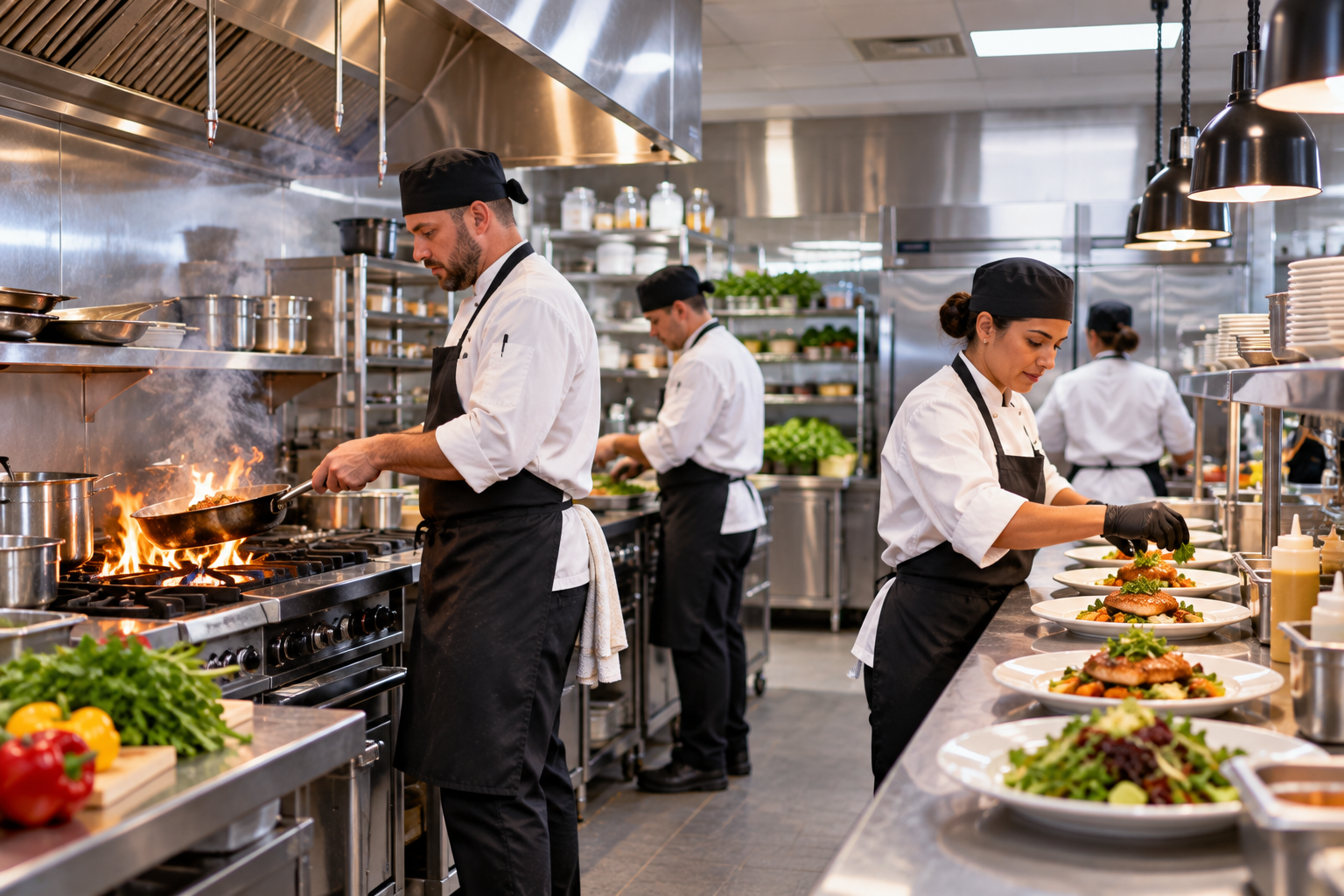
Walker Insurance Agency writes coverage for restaurants, bars, cafes, and food service businesses across Baldwin and Mobile County, from Fairhope and Daphne down to the beach.
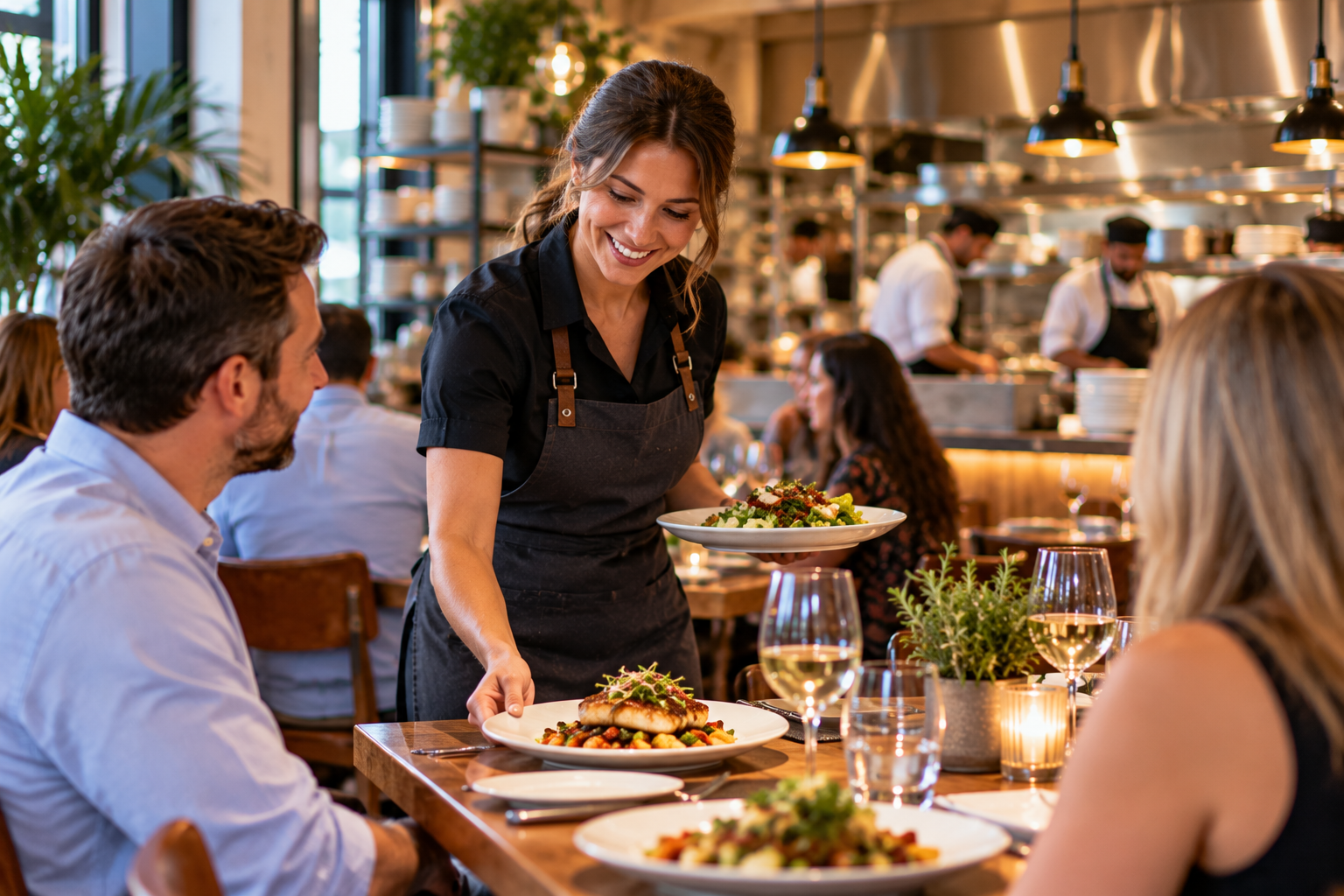
A restaurant carries more moving exposures than almost any other small business — a kitchen full of equipment that fails, a dining room full of people who can be injured, perishable inventory, staff turnover, and on this coast, a season that produces most of the year’s revenue in a handful of months. The policy has to account for all of it.
What a Restaurant Program Includes

General liability — Slips, falls, and injuries to guests, plus foodborne illness claims.
Commercial property — The building if you own it, your build-out if you lease, and the equipment, furniture, and inventory inside.
Business income — Lost revenue and continuing expenses while you cannot operate after a covered loss.
Workers compensation — Kitchen injuries are among the most frequent workplace claims there are. Required for most Alabama employers above a certain headcount.
Equipment breakdown — Walk-ins, fryers, HVAC, and ice machines that fail on their own. A standard property policy covers damage from outside causes, not mechanical failure.
Spoilage — Inventory lost to a power outage or equipment failure.
Liquor liability — A separate policy if you serve alcohol. General liability excludes it entirely. See our liquor liability page.
Coverage You Can Add
Employment practices liability — wrongful termination, harassment, and discrimination claims, which are a genuine exposure in a high-turnover business
Hired and non-owned auto — for employees making deliveries or supply runs in their own vehicles
Utility service interruption — losses from an off-premises power or water failure
Extended business income — income replacement that continues after you reopen
Cyber liability — point-of-sale systems and customer payment data
What This Means on the Gulf Coast
Your season is concentrated, so timing matters more than repair cost. A loss in July costs you the year in a way the same loss in January would not. Business income coverage built on average monthly revenue leaves a gap when the closure lands in peak season. This is worth structuring deliberately rather than accepting the default.
Spoilage is not automatic. A hurricane knocks out power for days and a full walk-in is gone. Spoilage is frequently an endorsement rather than standard coverage, and the deductible and the triggering cause both matter. Check yours before June.
Equipment breakdown pays for itself here. Heat, humidity, and constant use are hard on refrigeration and HVAC. A compressor failure in August is both a repair bill and a spoilage loss, and a standard property policy covers neither.
Reopening is not recovering. After a long closure, customers find somewhere else to eat and come back gradually. Extended business income keeps paying during that stretch, and most policies include only a modest amount.
Delivery changed the exposure. Whether your own staff delivers, you use third-party platforms, or both, there is an auto exposure that your general liability will not touch. Third-party platforms carry their own coverage, but what it covers for you specifically is worth reading rather than assuming.
Staff turnover creates employment claims. High-turnover businesses generate wrongful termination and harassment claims at a higher rate. Employment practices liability is rarely included and increasingly worth carrying.
What Affects Your Cost
Square footage and seating capacity, annual revenue and payroll, whether you serve alcohol and what percentage of sales it represents, hours of operation and whether you have late-night service, cooking methods and hood suppression systems, building age and construction, claims history, property and equipment values, delivery operations, and the limits and deductibles you select.
Frequently Asked Questions
What insurance does a restaurant need in Alabama?
General liability, commercial property covering equipment and improvements, business interruption, workers compensation if you have employees, and equipment breakdown. If you serve alcohol you also need liquor liability, which general liability excludes. Delivery operations add commercial auto or hired and non-owned exposure.
Does my policy cover food spoilage after a power outage?
Only if spoilage coverage is on the policy. It is frequently an endorsement rather than standard. Given hurricane season outages, it is worth confirming before June. Check the deductible and whether the coverage requires the outage to result from a covered cause.
What is equipment breakdown coverage?
It covers mechanical or electrical failure of equipment — a compressor going out on a walk-in, an HVAC failure, a fryer or ice machine breaking down. Standard property policies cover damage from external causes such as fire or wind, not equipment failing on its own. For a restaurant, this is one of the highest-value coverages available.
Do I need liquor liability if I only serve beer and wine?
Generally yes. Liquor liability responds to claims arising from serving alcohol to someone who then causes harm, and it applies regardless of what type of alcohol you serve. General liability excludes it. See our liquor liability page.
Does my insurance cover delivery drivers?
Not automatically. If employees deliver using their own vehicles, you need hired and non-owned auto coverage. If the restaurant owns delivery vehicles, you need commercial auto. Third-party delivery platforms carry their own coverage, but confirm what it does and does not cover for you.
Am I covered if a customer gets sick?
Foodborne illness claims generally fall under your general liability policy’s products coverage. The claim itself is one problem; the health department involvement, the closure, and the reputational damage are others. Business income may respond if you are ordered closed, depending on the cause and your policy language. Documented food safety procedures and staff training help on every front, including at renewal.
Is Your Walk-In Covered When the Power Goes Out?
Send us your current declarations page. We will tell you whether your business income coverage reflects how your revenue actually arrives, whether spoilage is on there, and what equipment breakdown would cost to add.