
Coverage for the property nobody is watching
A second home carries different risk than a primary residence, and it needs a policy written for it. The main reason is simple: nobody is there.
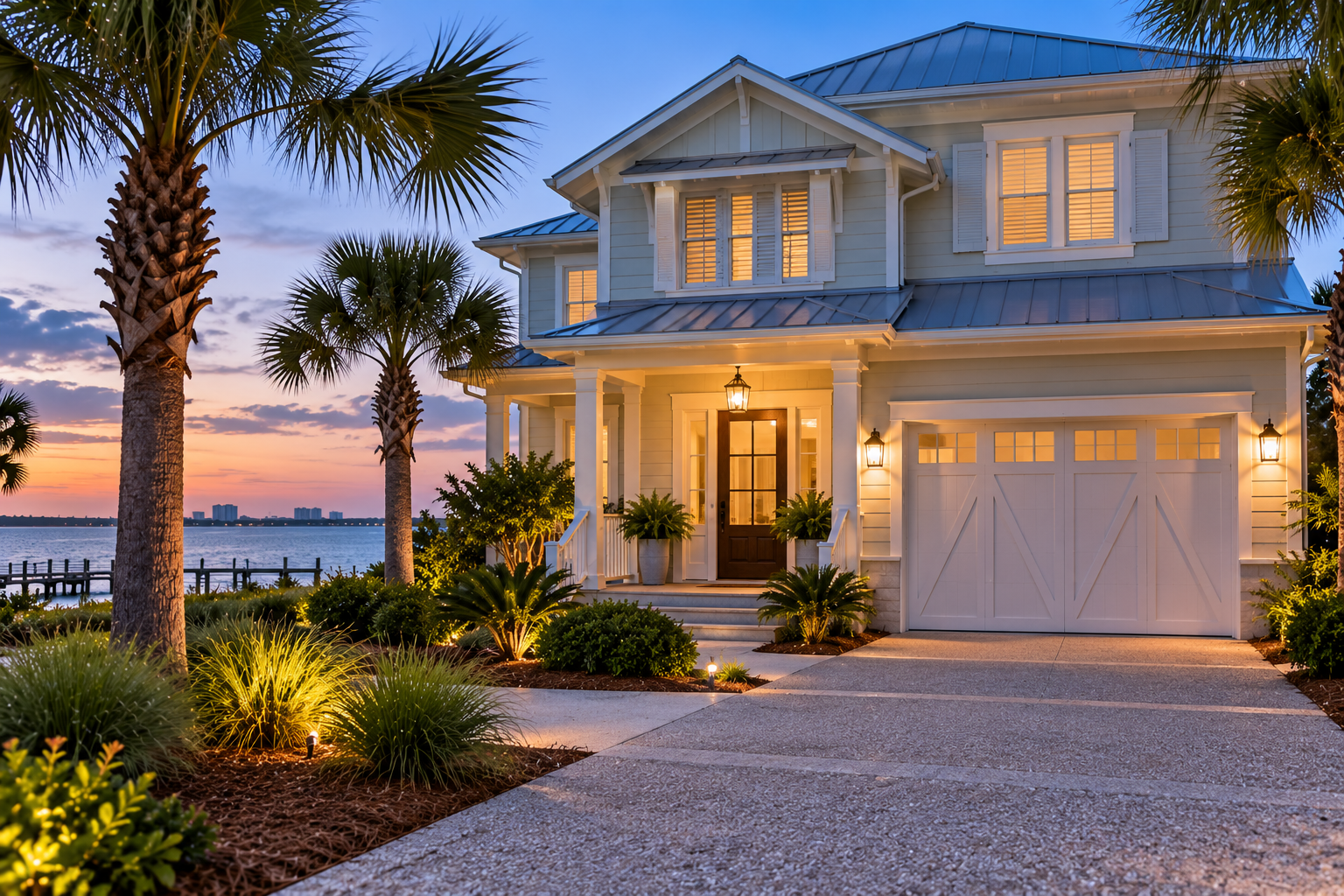
Walker Insurance Agency writes second home and seasonal property coverage across Baldwin County, from Fairhope and Point Clear down to the beaches.
Vacancy is the issue. A pipe that fails in an occupied house gets noticed in minutes. In an empty beach house it can run for weeks. Many carriers apply vacancy provisions that limit or exclude certain losses when a property is unoccupied beyond a set number of days, and the details vary. Knowing yours before something happens is the whole point.
Wind and flood exposure also tend to be higher, since second homes here are often closer to the water. And if you rent the property out at all, even occasionally, a standard second home policy may not cover that activity.
What Second Home Insurance Covers

Dwelling — Repairs or rebuilds the structure after a covered loss.
Other structures — Detached garages, boathouses, docks, fences, and outbuildings.
Personal property — Furniture and belongings kept at the property, often at lower standard limits than a primary residence policy.
Personal liability — Covers you if someone is injured on the property, including guests, contractors, and anyone doing maintenance while you are away.
Loss of use — Pays additional costs if a covered loss makes the property unusable.
Medical payments — Covers minor injuries to guests regardless of fault.
Coverage You Can Add
Water backup — sewer and drain backup, excluded by default and a common vacant-property claim
Service line coverage — buried water, sewer, and electrical lines
Equipment breakdown — HVAC and water heaters, which fail more often in a house that cycles between empty and occupied
Scheduled personal property — for art, jewelry, or equipment kept at the property
Flood coverage — a separate policy, and more likely to be required here than at your primary residence
What This Means on the Alabama Gulf Coast
Vacancy provisions are the clause to read first. The number of days and the affected perils vary by carrier. If your property sits empty for months at a stretch, this single clause determines whether your policy responds to the loss you are most likely to have.
Water damage is the most common vacant-property claim. Shutting off the water supply when you leave is the cheapest risk management available, and many carriers encourage or require it. Automatic water shutoff devices can earn a credit with some carriers and are worth the install cost on a property you visit a few times a year.
Flood and wind exposure run higher here. Second homes on this coast tend to sit closer to the water than primary residences do. That means a separate flood policy in most cases, and a named-storm deductible that deserves the same attention it gets on your primary home.
Renting it out changes the policy entirely. Even a few weekends a year is business use, and most second home policies exclude it. A claim involving rental activity can be denied under the wrong policy. If you rent at all, tell us — we will write it correctly.
Nobody is there when the storm hits. After a named storm, a property with no one on site may go unchecked for days. Some carriers offer credits for monitored alarm systems, water sensors, and storm shutters, all of which matter more on a house that sits empty.

What Affects Your Cost
Distance from the water roof age and construction type; how often the property is occupied; whether it is a rented-out dwelling liability limits; standard and named-storm deductibles; wind mitigation features; monitored alarm and water shutoff systems; pools, docks, and boathouses; and claims history.
Frequently Asked Questions
Can I insure a second home on my existing homeowners policy?
No. A second home needs its own policy. Carriers rate it separately because the occupancy pattern and risk profile are different.
What is a vacancy provision?
Language that limits or excludes coverage for certain losses when a property has been unoccupied for longer than a set period. The number of days and the affected perils vary by carrier. If your property sits empty for months at a time, this is the clause to read before you buy.
What should I do about the water supply when I am away?
Many carriers encourage or require shutting off the water supply during extended vacancy, and some require freeze protection measures. Water damage from an undetected leak is one of the most common and expensive second home claims. Automatic water shutoff devices can qualify for a credit with some carriers.
Does my second home policy cover short-term rental income?
Generally not. If you rent the property out, even a few weekends a year, that is a business use most standard policies exclude. You need a policy written for rental activity. See our vacation rental insurance page.
What affects the cost of second home coverage?
Distance from the water, construction and roof age, how often the property is occupied, whether it is rented out, security and water shutoff systems, your coverage limits, and your named-storm deductible.
Is Your Second Home Covered While It Sits Empty?
Send us the address and how often you are there. We will compare carriers and make sure the vacancy terms, the named-storm deductible, and the flood question are all settled before you need them to be.