
Coverage for your vehicles and for the ones your employees drive
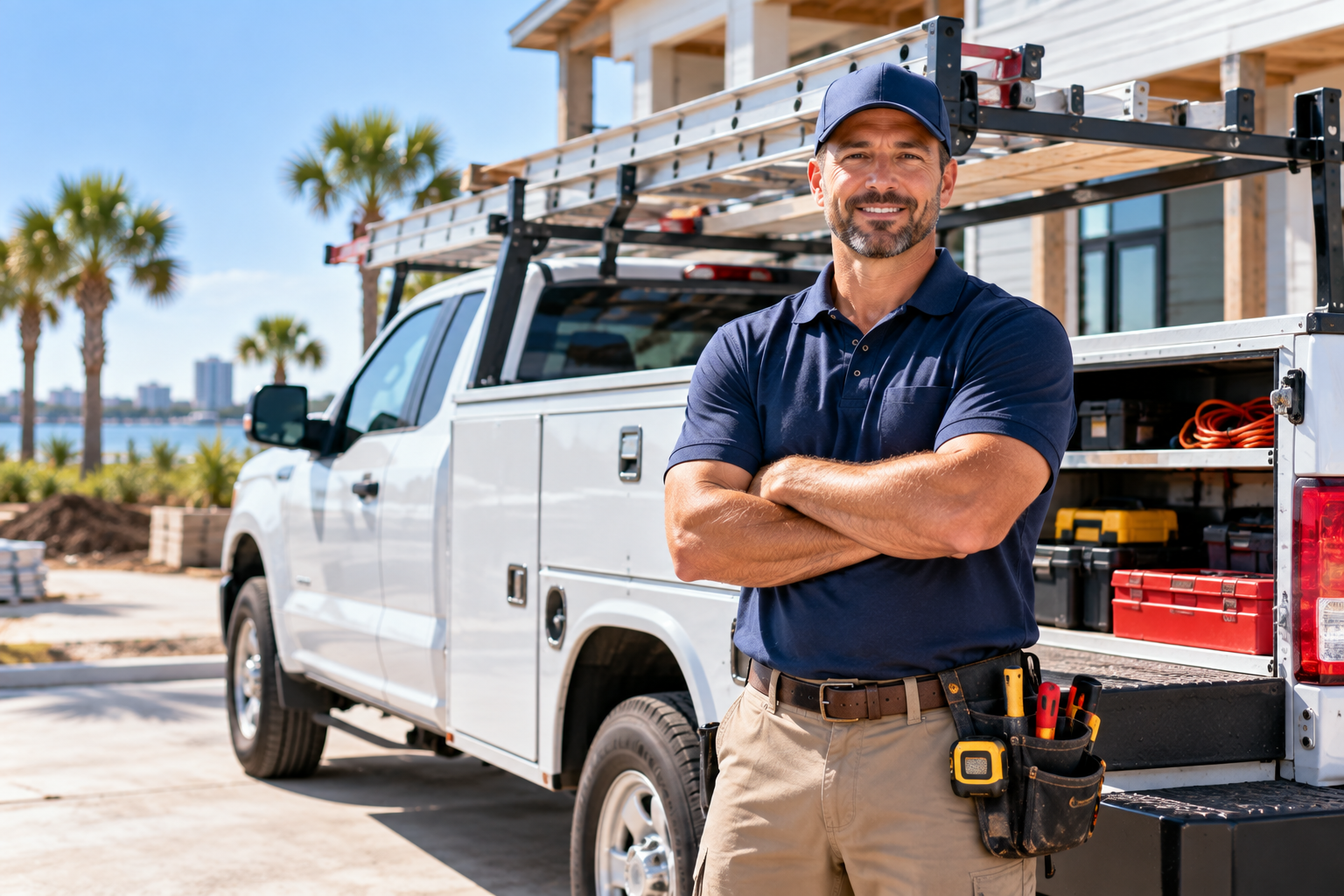
If your business owns vehicles, a personal auto policy will not cover them. Commercial auto covers vehicles titled to the business, driven by employees, or used for business purposes.
Walker Insurance Agency writes commercial auto for businesses across Mobile and Baldwin County. Service trucks, delivery vans, fleets, and single-vehicle operations.
The exposure businesses most often miss has nothing to do with the vehicles they own. If an employee runs an errand in their own car and causes an accident, your business can be named in the claim. Your commercial auto policy will not respond unless hired and non-owned coverage is on it, and their personal policy will not extend to your business. This gap catches people constantly, and it is inexpensive to close.
What Commercial Auto Covers

Liability — Injury and property damage your drivers cause. Commercial limits run higher than personal ones because commercial claims do.
Physical damage — Collision and comprehensive on your vehicles, including theft, hail, and storm damage.
Hired and non-owned auto — Liability when employees drive rented vehicles or their own cars for business.
Uninsured and underinsured motorist — Your drivers’ injuries when the at-fault driver has no coverage or not enough.
Medical payments — Medical costs for your drivers and passengers regardless of fault.
Permanently attached equipment — Ladder racks, toolboxes, lift gates, and similar installations. Confirm the value is on the policy.
Coverage You Can Add
Rental reimbursement — a replacement vehicle while yours is being repaired, which matters when the truck is how the work gets done
Trailer interchange — liability for trailers in your care that you do not own
Drive other car — for owners and executives who drive company vehicles and have no personal auto policy
Motor carrier filings — federal and state filings for businesses hauling across state lines
What This Means for Businesses Here
Hired and non-owned is the cheapest gap to close. Almost every business has an employee who occasionally drives their own car for work — a supply run, a bank deposit, a client meeting. The coverage costs relatively little and it closes an exposure most owners have never considered.
Highway 98 and I-10 raise claim severity. Heavy traffic, high speeds, and summer tourist volume mean a commercial vehicle accident here tends to be expensive. That is an argument for limits above the minimum, particularly for a business with assets worth protecting.
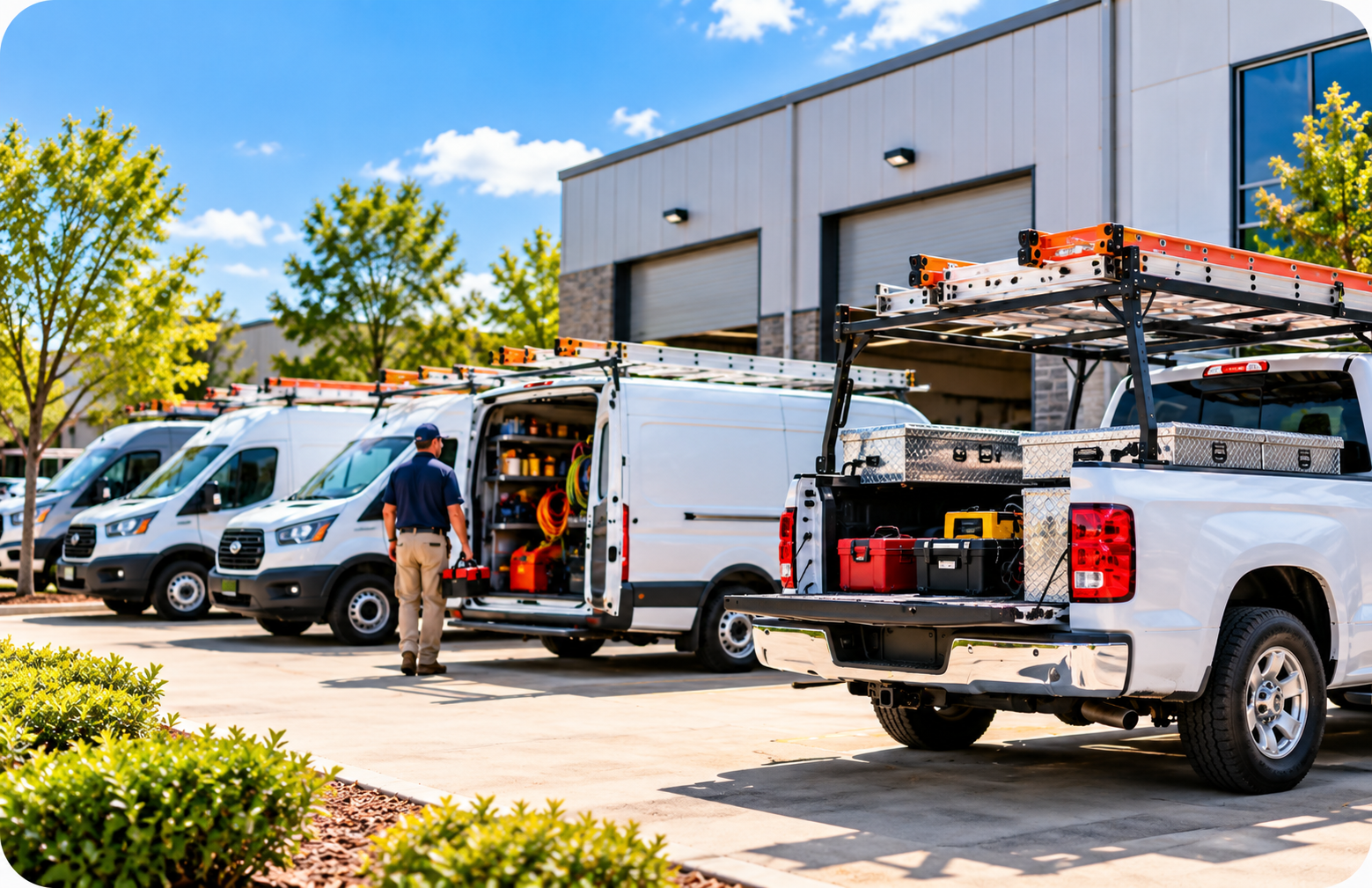
Storm damage to a parked fleet is a real loss. Trucks and vans sitting in a yard during a named storm face the same hail, wind, and flood exposure as everything else. Comprehensive is what responds, and a fleet with liability-only coverage is uninsured for it. Flood damage to a vehicle is covered under comprehensive, unlike a building.
Interstate hauling changes the requirements. If you cross into Florida or Mississippi with goods, federal filing requirements may apply and the limits run considerably higher than a local operation needs. Tell us where you actually drive rather than where you are based.
Contractors carry both exposures. A crew truck is a commercial vehicle. The foreman’s personal pickup on the same job site is a hired and non-owned exposure. Most contracting businesses need both, and they are frequently written with only the first.
What Affects Your Cost
Number, type, and value of vehicles, what they carry and how far they travel, your drivers’ motor vehicle records, radius of operation, whether you cross state lines, the limits and deductibles you select, claims history, your industry, and how the vehicles are used.
Frequently Asked Questions
Does my personal auto policy cover business use?
Generally not. Personal auto policies exclude or limit business use, and vehicles titled to a business need a commercial policy. Occasional commuting differs from making deliveries or hauling equipment. If the vehicle works for the business, it needs commercial coverage.
What is hired and non-owned auto coverage?
It covers your business’s liability when employees drive vehicles the business does not own — their personal cars, or rentals — for business purposes. Without it, a claim from an employee’s errand can land on the business with no policy to respond. Most businesses with employees should carry it.
What vehicles need commercial auto coverage?
Vehicles titled to the business, vehicles used primarily for business, and vehicles carrying equipment or goods for the business. Trucks with permanently mounted equipment nearly always need commercial coverage.
Do my employees need to be listed on the policy?
Most commercial auto policies require listing regular drivers, and carriers review driving records. Adding a driver with a poor record affects pricing. Keeping the driver list current also avoids problems at claim time.
What affects the cost of commercial auto?
The number, type, and value of vehicles, how far and where they are driven, what they carry, your drivers’ records, your claims history, and the limits you select.
What happens if an employee uses a company vehicle personally?
Most commercial auto policies allow reasonable personal use by listed drivers, but the terms vary and unlisted drivers can create problems. If employees take vehicles home or use them on weekends, tell us so the policy is written for how the vehicles are actually used. A written vehicle use policy for your employees is worth having as well, and we can talk through what it should say.
Are Your Employees Covered in Their Own Vehicles
Send us your current declarations page and your driver list. We will tell you whether hired and non-owned coverage is on there, whether your limits match your exposure, and what another carrier would charge for the same program.