Coverage built for the way construction actually works here
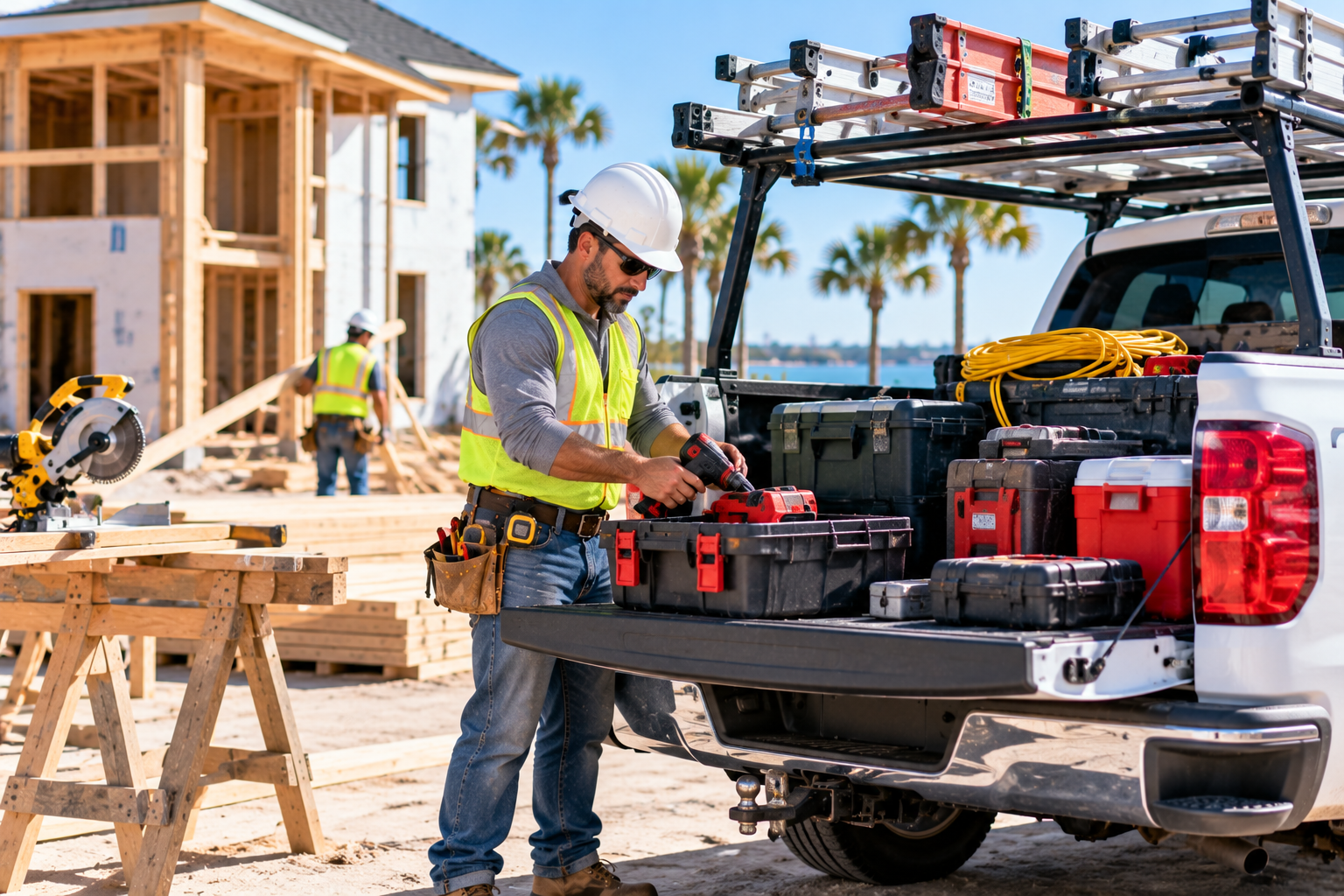
Walker Insurance Agency writes coverage for contractors across Mobile and Baldwin County. General contractors, remodelers, roofers, electricians, plumbers, HVAC, concrete, and the trades that work alongside them.
Lee Walker is a member of the Baldwin County Home Builders Association and has spent his career on the business side of industrial and commercial accounts. When we ask about your subs, your class codes, or the wording in your contract, it is because those are the details that decide whether a claim gets paid.
Need a certificate? Call (251) 422-9959 or email office@walkerins.biz. Same business day, usually within the hour.
What a Contractor’s Program Includes
General liability — Third-party injury and property damage from your operations and your completed work. This is the policy every contract asks for.
Workers compensation — Required for most Alabama employers above a certain headcount, and required by most general contractors regardless.
Commercial auto — Crew trucks, service vehicles, and trailers. Add hired and non-owned coverage for employees driving their own vehicles to job sites.
Tools and equipment — An inland marine or contractor’s equipment policy covering tools at the site, in transit, and in your truck. General liability does not cover them.
Builders risk — Covers a structure under construction, plus materials at the site, from fire, wind, theft, and vandalism. Written for the length of the project.
Installation floater — Materials in transit or stored on site before they are installed. Relevant to any trade that buys and delivers its own materials.
Umbrella or excess liability — Additional limits above your general liability and auto policies. Many contracts require it outright.
What This Means for Contractors Here
Send us the contract before you sign it. General contractors and owners set specific requirements — particular endorsement forms, ongoing and completed operations coverage, primary and non-contributory wording, waivers of subrogation, and minimum limits. Discovering your limits are short the week work is supposed to start is a bad position, and the fix costs more under pressure.
Subcontractor certificates are not paperwork, they are money. If a sub does not carry their own workers compensation and general liability, their payroll can be charged to your policy at audit and their injuries can become your liability. Collect the certificate before work starts, every time. This is the most common and most avoidable audit surprise we see.
Storm rebuild work changes your exposure. A remodeler who picks up roofing after a hurricane has changed their class codes and their risk profile. Tell us when the work changes. Finding out at audit is expensive, and a claim on work outside your classified operations is worse.
Completed operations claims surface years later. A deck that fails, a roof that leaks, a fixture that causes water damage. In a market with a lot of fast rebuild work, these show up long after the job closed. Confirm how long your completed operations coverage runs and keep records of every job.
Coastal construction carries its own requirements. FORTIFIED standards, wind mitigation, and elevation requirements affect the work you do and sometimes the coverage you need. Builders risk on a coastal project during hurricane season deserves a close look at what the policy excludes.
Alabama licensing requirements set a floor. State and local licensing boards set minimum insurance requirements for licensed contractors, and they vary by license type and project size. Confirm yours — they are a floor, not a recommendation, and most contracts ask for more.
What Affects Your Cost
Your trade and class codes, annual revenue and payroll, the type of work you do and how high off the ground you do it, subcontractor use and whether they carry coverage, claims history and experience mod, the limits and endorsements your contracts require, number of vehicles and drivers, and tools and equipment values.
Frequently Asked Questions
What insurance do contractors need in Alabama?
General liability at minimum, workers compensation if you have employees, commercial auto for business vehicles, and coverage for tools and equipment. Builders risk applies to projects under construction. Licensing boards and individual contracts often set specific minimum limits, so check both.
What is builders risk insurance?
It covers a structure while it is under construction, along with materials and supplies at the site, from perils such as fire, wind, theft, and vandalism. It is typically written for the length of the project. Once construction is complete, permanent property coverage takes over.
Are my tools covered?
Not automatically under general liability. Tools and equipment coverage, sometimes called an inland marine or contractor’s equipment policy, covers them at the job site, in transit, and in your truck. Given how often tools are stolen from trucks and sites, most contractors should carry it.
What is completed operations coverage?
It covers claims arising from work you have already finished — a deck that fails, a roof that leaks, a fixture that causes water damage. It sits within your general liability policy and it matters because construction claims often surface long after the job is done. Confirm it is included and understand how long it responds.
Why do I need certificates from my subcontractors?
Two reasons. Your workers compensation carrier can charge you for an uninsured sub’s payroll at audit. And if that sub’s employee is injured on your job, you may carry the liability. Collecting certificates before work starts is the cheapest risk management available to you.
Does Your Policy Meet What the GC Is Asking For?
Send us your contract and your current declarations page. We will tell you whether your limits, your additional insured wording, and your completed operations coverage meet what you have been asked for — before you find out on the job site.